Researching Wainsgate
Stories Waiting to Be Found

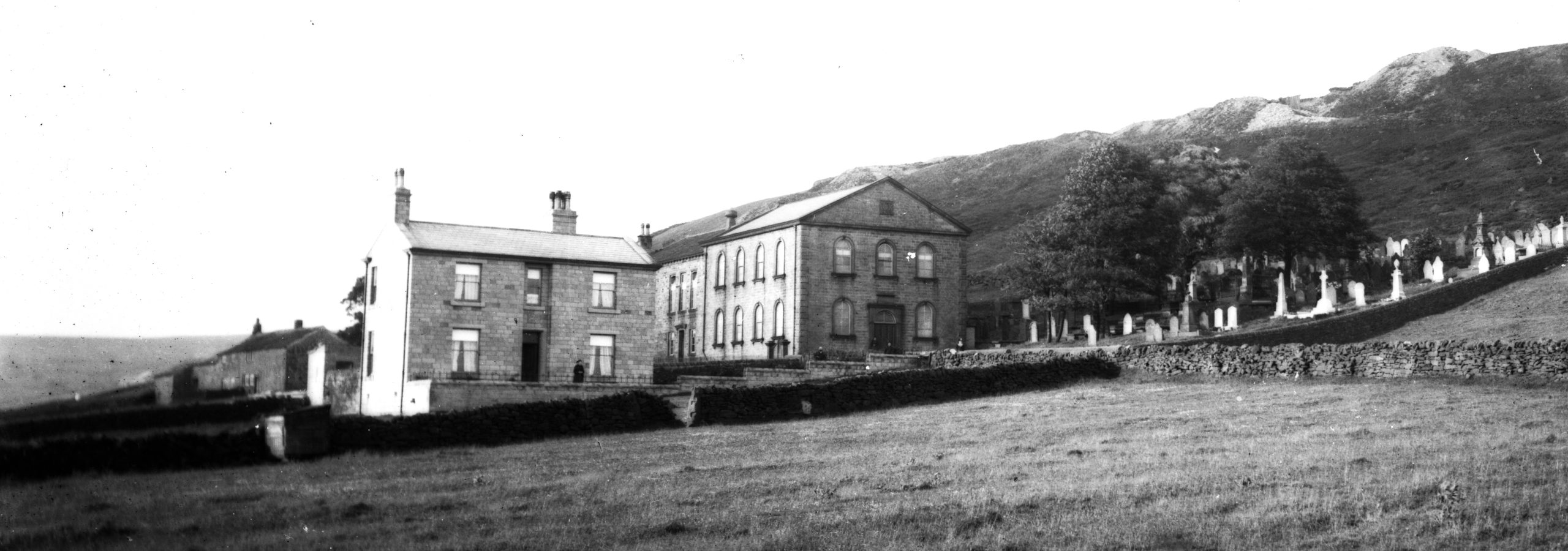
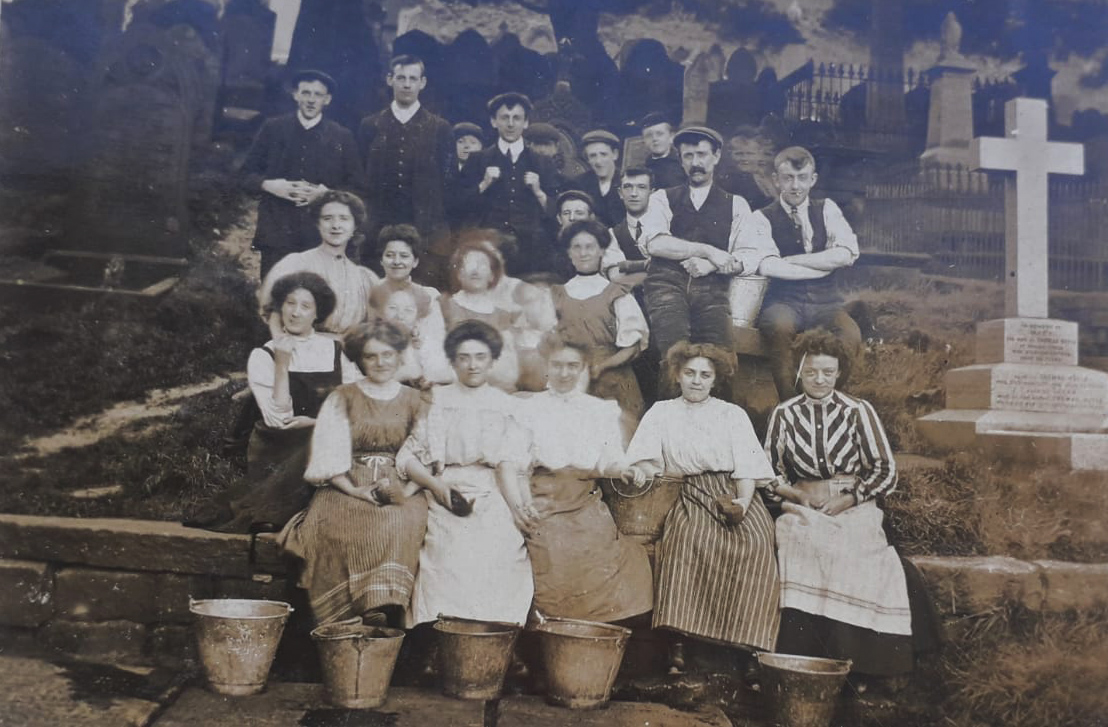
Wainsgate Chapel and graveyard hold hundreds of intertwined lives, families, and histories.
We’re slowly uncovering these stories – through documents, photographs, gravestones, and community memory – and we’d love help from anyone who’s curious and up for a bit of detective work.
Below is a list of research ideas and themes connected to the history and heritage of Wainsgate.
It’s not exhaustive – there will be many more threads to follow – so suggestions for new topics are very welcome.
We’re also looking for people who can help with practical work in the graveyard, especially in the older part, where we’re still learning who is buried where.
The Burial Ground
Common or public graves at Wainsgate
The role of gravediggers and sextons
(Richard Whitaker may have some old records)
Memorials
Monumental masons whose work appears at Wainsgate
Symbolism on memorials – for example:
open book, pointing finger, weeping willow, shrouded urn, dove, pentagram, crown, etc.
What did these symbols mean at the time, and what do they tell us about the people commemorated here?
People & Families
Biographies of people and families connected with Wainsgate or buried / commemorated in the graveyard, including:
Hird Lord – Havercake baker and founder member of the ILP
Miriam Lord OBE – teacher and educationalist
Percy Sowden – Hebden Bridge Little Theatre
Lewis Crabtree – builder
Alan Littlewood – baker and author
And also:
Important local families – Mitchell, Cousin, Hoyle, Moss, Riley, Redman, etc.
Often owners of local mills and factories
Frequently linked by marriage (there is already a family tree on Ancestry showing some of these connections)
Other people with interesting stories linked to Wainsgate – who have we missed?
Migration
People and families who moved into the area from elsewhere – London, Cornwall, Scotland, the Durham coalfield, Yorkshire Dales, and beyond
Why and when did they leave their previous homes?
Why did they choose to come here?
John Fawcett & His Circle
John Fawcett’s later years – leaving Wainsgate, starting Ebenezer Chapel, and founding seminaries at Brearley and Ewood Hall
The wider Fawcett family and their roles:
John Fawcett Jnr, James Fawcett, John C. Fawcett, Stephen Fawcett
Connections to Brearley Chapel
Other Important Wainsgate Ministers
Research into ministers such as John Parker, George W. Wilkinson, and others with strong links to Wainsgate
General Baptists
General (Arminian) vs Particular (Calvinist) Baptists
The influence of John Johnson on the Wainsgate congregation
Other Baptist figures with Wainsgate connections:
Dan Taylor, Alverey Jackson, John Sedgefield, William Crabtree, James Hartley, Richard Thomas, Henry Clayton
Sutcliff of Olney (baptised by John Fawcett)
John Newton – did he preach at Wainsgate?
The Sunday School
Teachers, pupils, classes, and activities, including:
Members of the Haigh family
Eddison Sunderland
Ethelbert Redman
Martha Harwood
The Band of Hope Society
Sarah Mitchell, a Sunday school teacher for over 50 years – could she be the subject of the “mystery” oil painting?
Related material: minute books, registers and other records held at the Birchcliffe archive.
Musical Wainsgate
John Kitchen – Fantasia for Toy Instruments, The Yorkshire Melodist, and other works
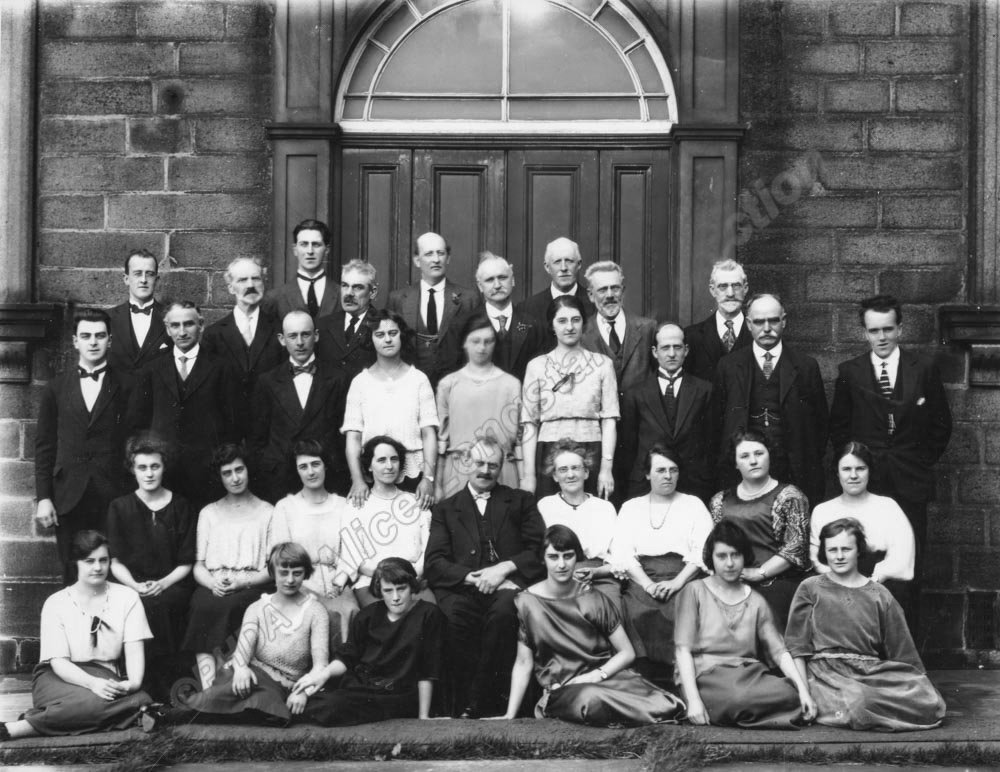
Identifying people in the choir photographs
Raymond Ashworth’s “Over 60s Choir” – photos but no names or dates:
Who are the people pictured?
What are all the trophies in the photographs?
Harry Dugdale, piano dealer – and any other musical figures linked to Wainsgate
War Dead & Others Who Served
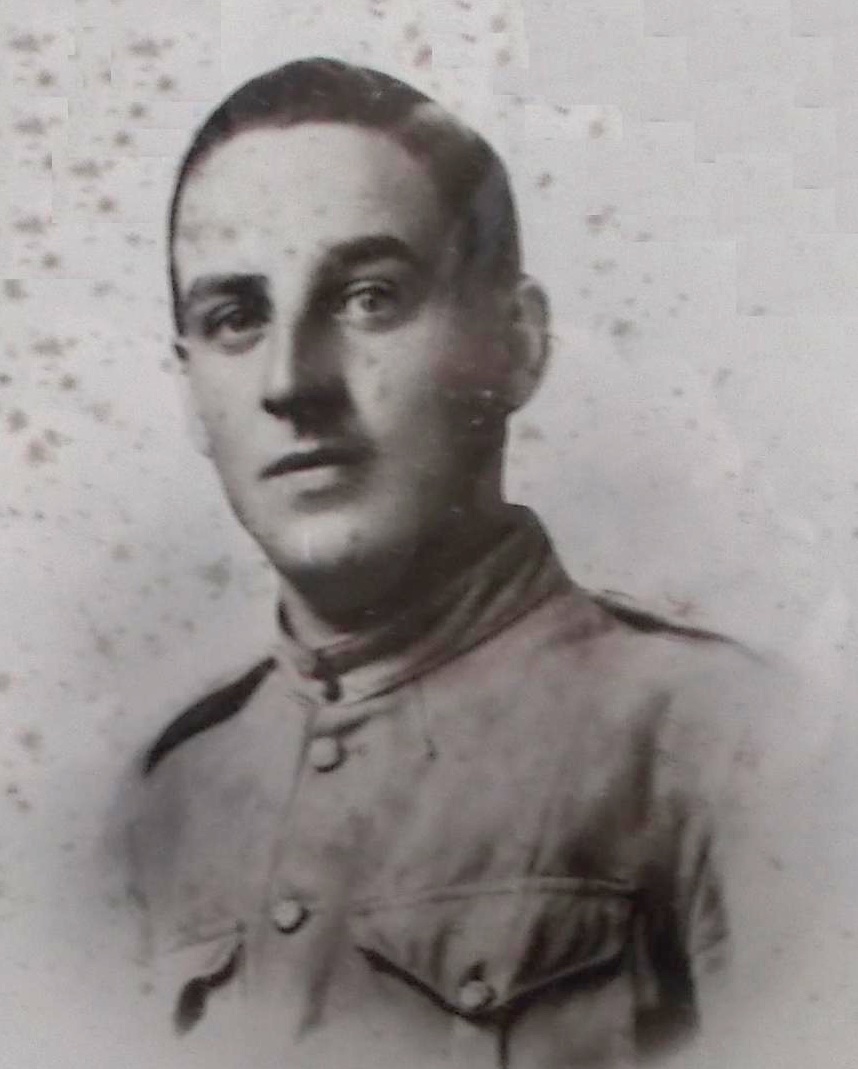
Biographies of remaining war dead
Obituaries and reports in local newspapers
Identities and stories of remaining names on the Roll of Honour
Other local war memorials connected to Wainsgate families
e.g. Calder High Library, etc.
Refugees
Local people who housed or supported Belgian refugees during WWI
WWII evacuees (e.g. Burnside) – where they came from, where they stayed, and their links to Wainsgate
Acre Mill
The history of Acre Mill before the Cape Asbestos period
Cape Asbestos:
Who worked there and under what conditions?
Social life and working culture
Effect on the local community
Attitudes of local people at the time
Those who died as a result of asbestos exposure and are buried at Wainsgate – at least five victims are known; are there more?
Collecting and telling their stories
The Workhouse
More than 30 people buried at Wainsgate died in a Workhouse or Public Assistance Institution – what are their stories?
Local workhouses before and after the 1834 Poor Law
The Todmorden Poor Law Union and local opposition to the 1834 Act
Todmorden Workhouse / Stansfield View, 1879–1948
Relevant material: Stansfield View records at WYAS, Wakefield.
The Asylum
At least 12 people buried at Wainsgate died in asylums or mental hospitals (as they were then called)
Research into their lives and circumstances
Institutions such as:
Wakefield Asylum
Storthes Hall
Scalebor Park
Sporting Life
Information on local sporting clubs and groups, for example:
Football
Cricket
Rugby
Hockey
Tennis
Bowling
Knurr-and-spell / billets
Pigeon racing and pigeon shooting
Who took part, where did they play, and how did these activities shape local life?
Odds & Ends
A few intriguing loose ends that need curious minds:
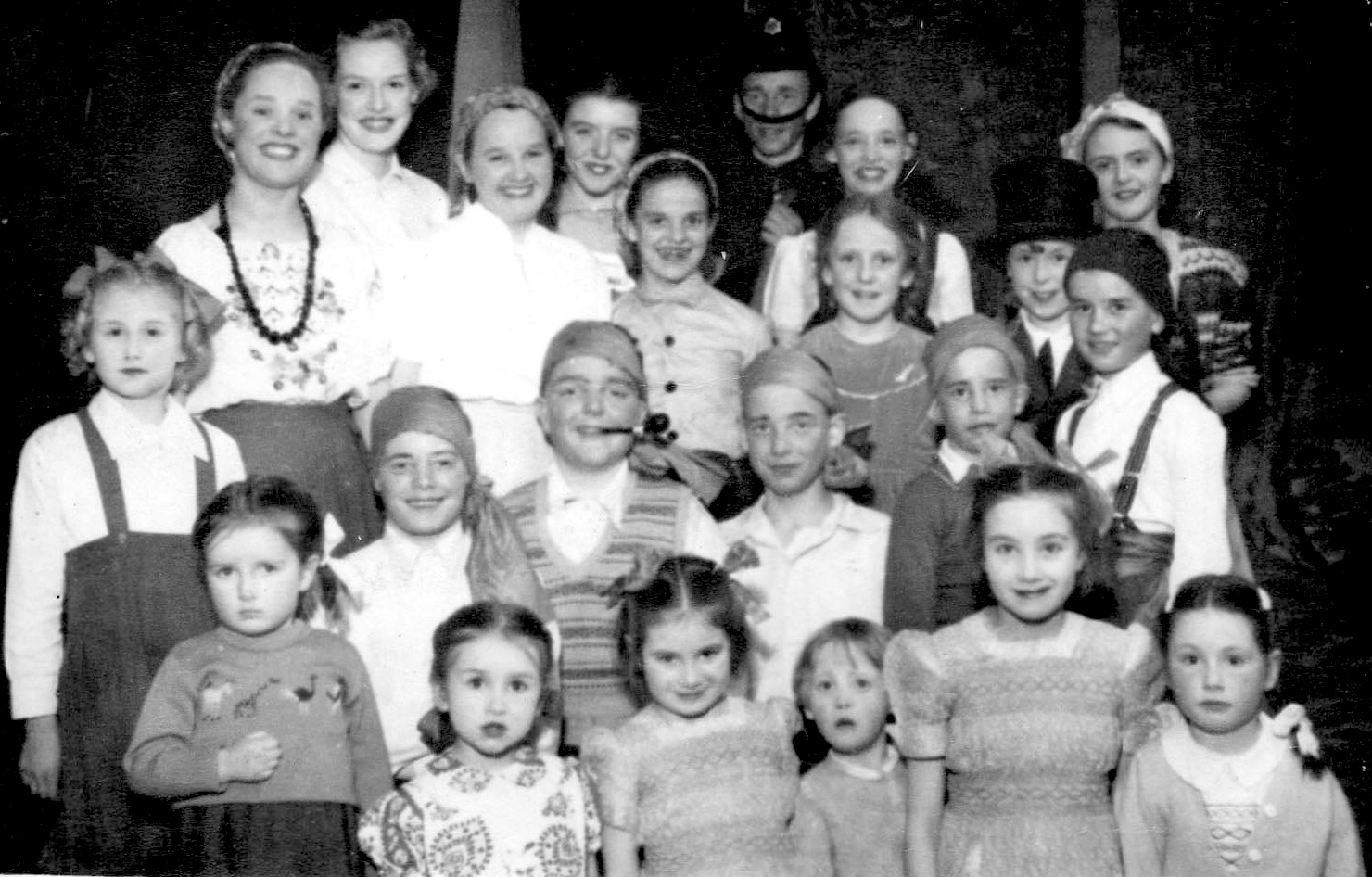
The mystery group photograph – can anyone help date it or identify people in it?
Old Town Mill / Boston Hill – history, ownership, and workers
Where did local people work, and what did they do?
Mills, clothing factories, farms, quarries, etc.
Statistical patterns in deaths at Wainsgate – for example:
numbers, ages, causes of death, times of year, occupations
Work in the Graveyard
We’re also looking for people who’d like to get involved in the hands-on side of graveyard research:
Carefully uncovering hidden, buried, or overgrown gravestones and marker stones
Cleaning gravestones so inscriptions can be read (using safe, agreed methods)
Transcribing, plotting, and photographing graves and memorials
Improving existing photographs of gravestones and memorials
Especially useful: someone with a good camera and experience with H-RTI or similar imaging techniques
Get Involved
If any of these topics interest you – or if you have your own idea for something connected to Wainsgate’s history – we’d love to hear from you.
👉 Visit wainsgategraveyardproject.co.uk to find out more, see what’s already been done, and get in touch about contributing research, stories, or practical help in the graveyard.